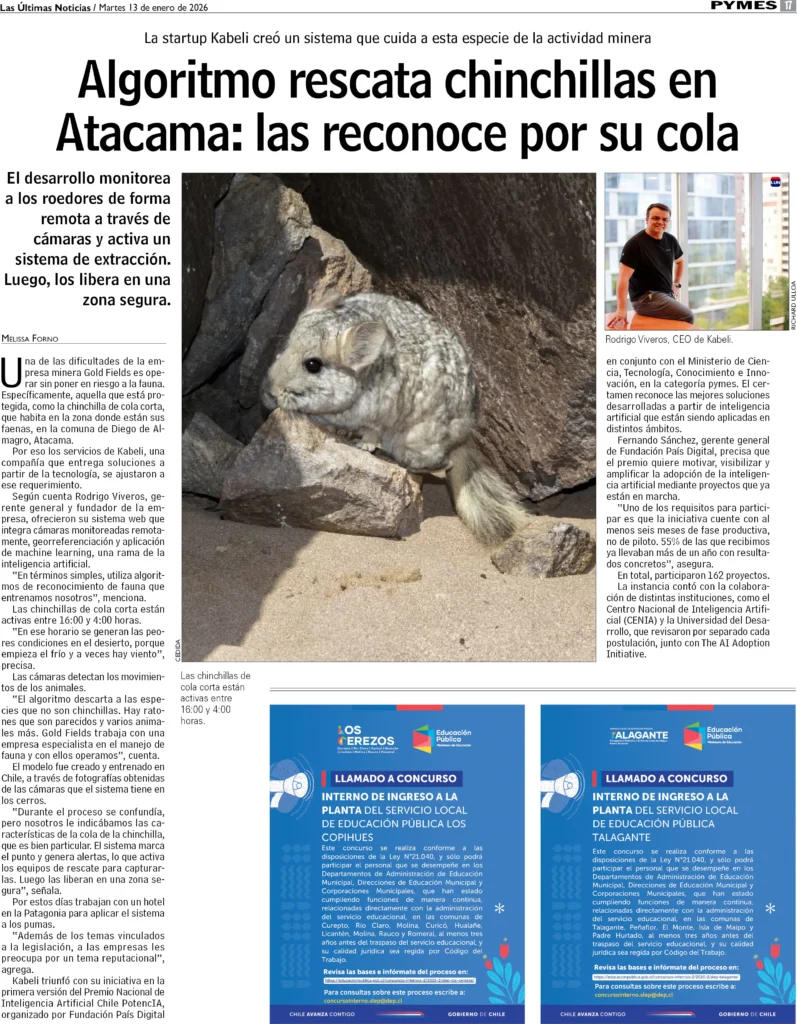
We are very interested in how technology can be used as a conservation tool. The headline of the attached news article shows how the use of cameras and artificial intelligence can detect behavioral patterns and identify threatened species. These kinds of tools demonstrate the significant leap forward that consulting firms and specialists must make to improve our identification processes and tools (Kabeli).
Despite this, there are significant shortcomings and unanswered questions. It is clear that technology identifies species and aids in detection for rescue, but is wildlife rescue an effective conservation tool?
Wildlife rescue and relocation is a widely questioned practice. It involves a significant human and financial effort, often resulting in equally or even more serious conservation problems.
We are certain that rescue should be used as an environmental mitigation measure for threatened wildlife, but to do so correctly, we must consider many factors as part of an environmental and ecological study:
– What are the rescue techniques?
– Are biosecurity and animal welfare considerations adequate?
– Are the source and sink sites properly characterized?
– How successful are these measures on the rescued individuals or the receiving population?
– What is the viability of the rescued and relocated genes, and how does this genetic material affect the receiving population?
– Why does environmental legislation seem focused on mitigating impacts with ineffective tools, rather than directing measures toward remediation and compensation?
There are no clear answers to these questions. Therefore, we must develop conservation tools and environmental consulting services that work holistically, dedicating all professional and financial resources to the country’s development while maintaining an environmental and social perspective.
CicloFauna, January 2026.