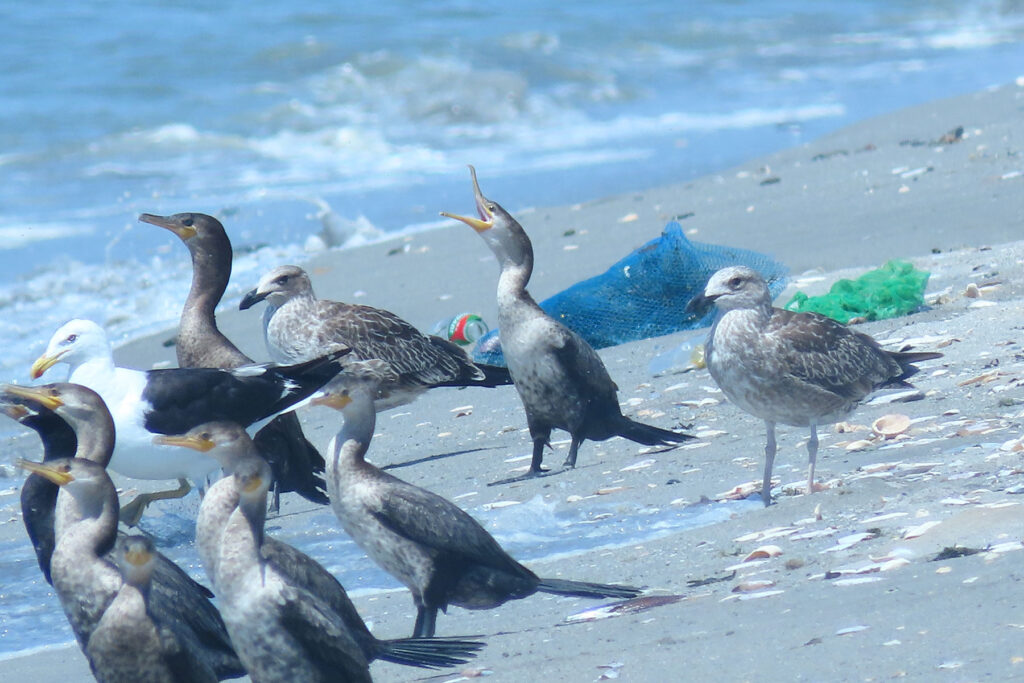
We often hear about the responsibility of private companies or large investment projects and the impacts they have on wildlife. But what about our own responsibility? The responsibility of every family or household in our country?
There is no doubt that most people, regardless of age, feel empathy, tenderness, and admiration for wild animal species. But do we do more than just “feel” for them? We admire them but don’t protect them. We talk about their importance but don’t recycle. We admire their photos but pollute their habitats every day. This type of ambivalent behavior is part of our nature. Humans exhibit this type of dichotomous behavior, where we feel one way but do something else.
The important thing is to identify the impacts we have on wildlife and reduce them, and if possible, eliminate them. Every time we use plastic straws, plastic cutlery, don’t recycle, or don’t try to reduce our household waste, we have an impact on wild animals. Thousands of animals around the world die every day due to our carelessness or lack of concern. It’s true that the impacts generated by negligent companies or large investment projects are greater than those generated by a family, but if we add up every impact generated by every person, in every part of the world, we become a major source of extinction, a force of destruction, even if we have good intentions and feelings.
In Chile, there are around 800 species of terrestrial vertebrates (amphibians, reptiles, birds, and mammals). They coexist with us, although they are not always frequently seen. And above all, they provide us with ecosystem services and economic, social, and cultural benefits.
I invite you to become aware and not just feel tenderness. Let’s be responsible and transmit a better ecological culture that brings benefits and protection to our wildlife.
CicloFauna, June 2025.